Amazon sellers interact with customer personal data more than most realize. Order data includes customer names, shipping addresses, and phone numbers. Buyer-seller messaging includes email addresses and communication content. Advertising audiences include demographic and behavioral targeting data. Customer reviews include usernames and purchase history.
Each of these data types falls under one or more data privacy regulations, and sellers have obligations they may not be aware of.
Which regulations apply
The three most relevant data privacy frameworks for Amazon sellers operating in or selling to customers in major markets are:
GDPR (General Data Protection Regulation): applies to any seller processing personal data of EU residents, regardless of where the seller is based. If you sell on Amazon.co.uk, Amazon.de, Amazon.fr, or any other EU/UK marketplace, GDPR applies to your handling of customer data from those marketplaces [1].
CCPA (California Consumer Privacy Act): applies to businesses that collect personal information of California residents and meet certain revenue or data volume thresholds. If you sell on Amazon.com and ship to California, which you almost certainly do, CCPA may apply depending on your business size.
DPDPA (Digital Personal Data Protection Act): India’s data protection law, applicable to sellers processing personal data of Indian residents. If you sell on Amazon.in or process data in India, DPDPA applies [2].
What sellers must do
Data minimization: collect and retain only the personal data necessary for your business operations. Don’t download and store customer data “just in case.” Amazon’s SP-API restricts access to PII through Restricted Data Tokens precisely to enforce this principle.
Purpose limitation: use customer data only for the purpose it was collected. Order data is for fulfilling orders and providing customer service, not for marketing campaigns, data enrichment, or resale.
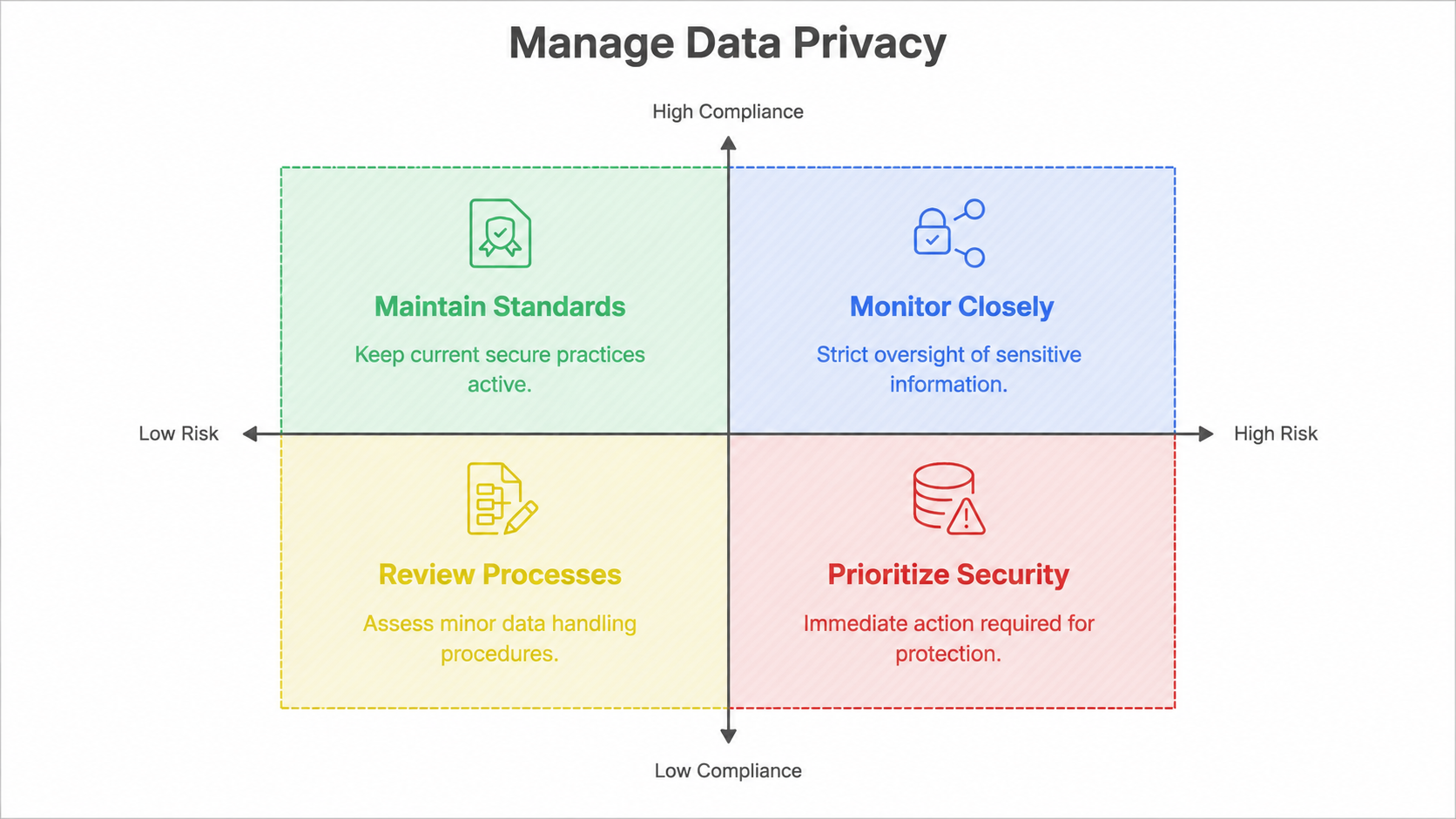
Security: implement appropriate technical measures to protect personal data. This includes encryption, access controls, and secure storage. If you use third-party tools that access customer data, those tools must also maintain appropriate security.
Data subject rights: under GDPR and CCPA, customers have the right to request access to, correction of, or deletion of their personal data. Sellers must be able to respond to these requests within specified timeframes (30 days under GDPR, 45 days under CCPA).
Breach notification: if a data breach affects customer personal data, you may be required to notify affected individuals and regulatory authorities within specified timeframes (72 hours under GDPR).
How your tool choices affect compliance
Every third-party tool you connect to your Amazon account potentially processes customer personal data. Your repricing tool sees pricing data (not PII). Your order management tool sees customer names and addresses (PII). Your advertising tool sees audience data (potentially PII under some definitions).
Under GDPR and CCPA, you are responsible for the data processing activities of your service providers. This means: you should have a Data Processing Agreement with any tool provider that accesses customer PII, you should verify that your providers maintain appropriate security measures, and you should understand each provider’s data retention and deletion policies.
Realify’s approach to seller data privacy
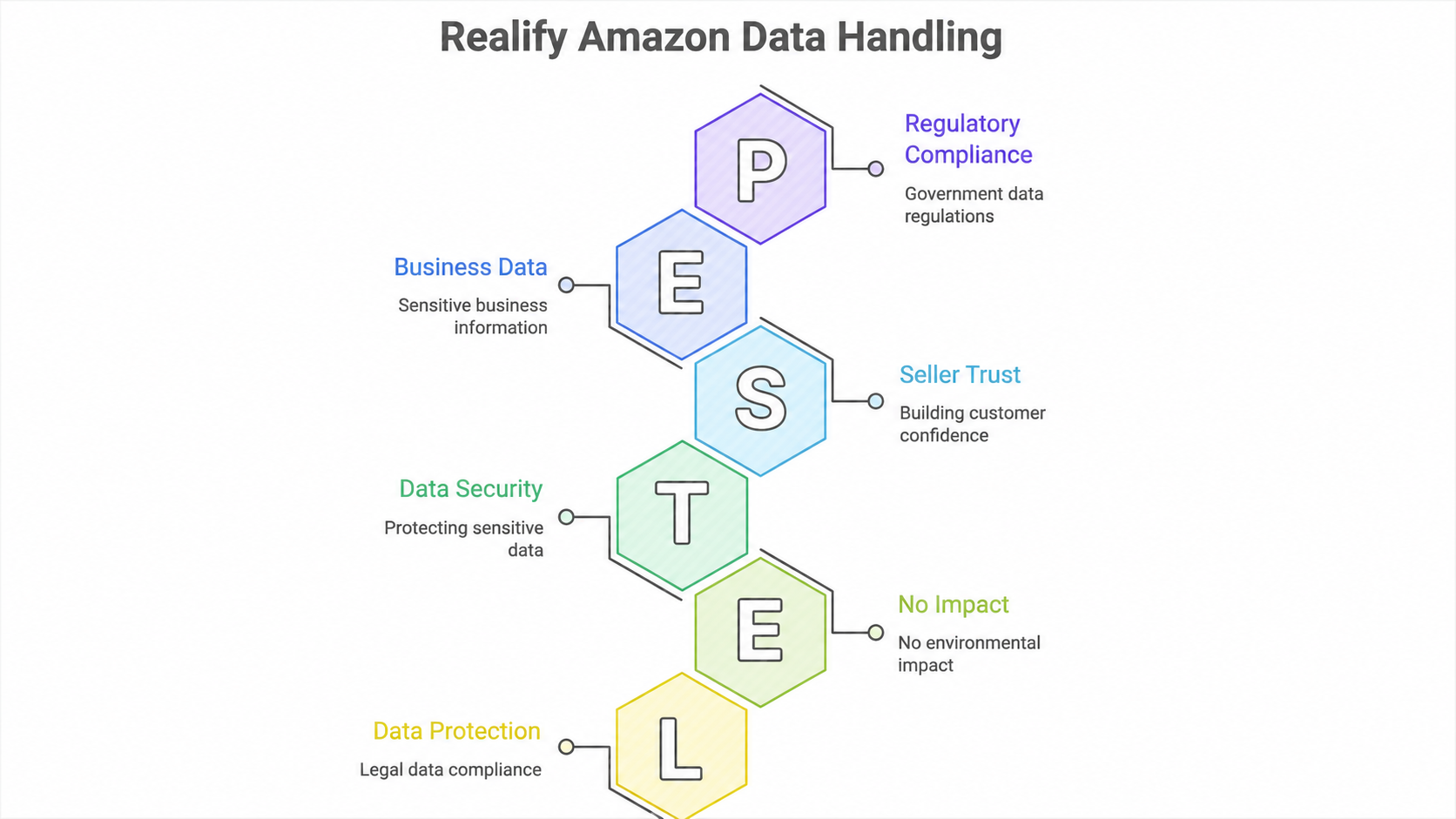
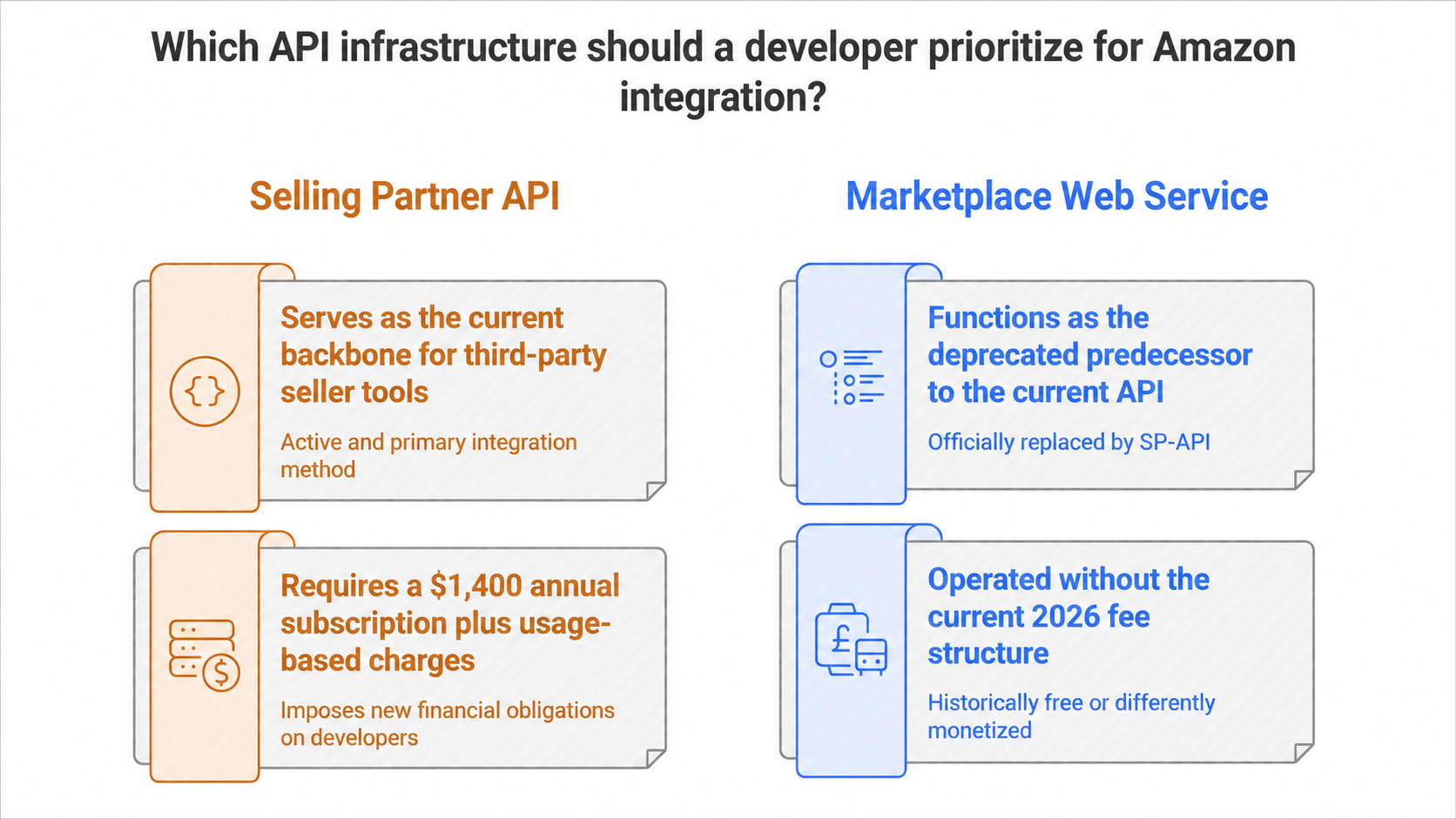
Realify accesses customer data only through Amazon’s authorized SP-API, using Restricted Data Tokens for PII access as required by Amazon’s data protection policies. Customer data is processed solely for the purpose of providing Realify’s services and is never used for secondary purposes.
We provide a Data Processing Agreement to all customers. Our data retention policy specifies exactly how long customer data is retained and the deletion process upon account termination. Our privacy practices are documented in our Privacy Policy and Transparency Report.
For sellers operating across multiple jurisdictions, selling on Amazon US, EU, and India marketplaces, Realify’s compliance framework covers GDPR, CCPA, and DPDPA simultaneously, reducing the compliance burden of managing multiple regulatory requirements across multiple tools.
- •[1] GDPR applicability to international sellers documented in EU Data Protection Board guidance, 2023-2025.
- •[2] Indian DPDPA enacted August 2023, compliance framework effective 2025-2026.